


Think spots are something just teenagers get? Think again. Around 20 per cent of women suffer from acne well into their 20s and 30s, which can be caused by anything from stress to hormone fluctuations and more.
All is not lost, however - aside from topical over-the-counter treatments and antibiotics, there are a number of foods long-heralded for their skin clearing properties that, added to your diet over time, may help to significantly improve the quality of your skin. Try combining our top 30 foods in a healthy diet plan plus fresh air, plenty of exercise, and a good skin care regime, and see if they make a difference.
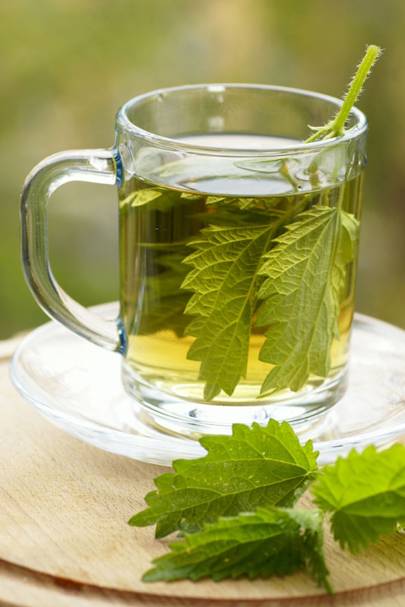
Nettles get a bad rep for being a stingy garden nuisance, but taken in tea, capsule or
soup form, you might be surprised to discover they have an anti-inflammatory effect,
helping to calm the skin and improve conditions like eczema and acne. They’re alsoextremely detoxifying, thanks to high levels of antioxidants which protect the body from the over-production of free radicals – chemicals which can cause damage to proteins, fats, carbohydrates and DNA in the body. Stock up on nettle tea from your local health food shop and see if it makes a difference.
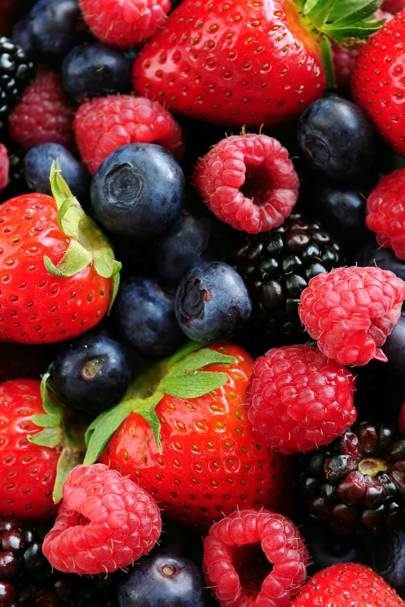
Not only are berries jammed with skin clearing antioxidants, but they’re packed with
fibre too: great for staving off hunger pangs and regulating insulin production.
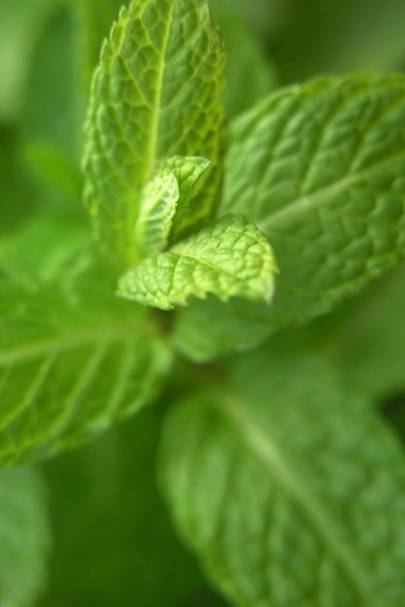
It’s really hard to pick fault with a cup of peppermint tea, which is known for its potent
healing and calming properties. Not only can it help to aid digestion, relieve stress – a common acne aggravator – treat headaches and clear sinuses, but it’s seriously
good for the skin, too. Try swapping it in for your usual cup of builders brew and
see if it makes a difference.
healing and calming properties. Not only can it help to aid digestion, relieve stress – a common acne aggravator – treat headaches and clear sinuses, but it’s seriously
good for the skin, too. Try swapping it in for your usual cup of builders brew and
see if it makes a difference.
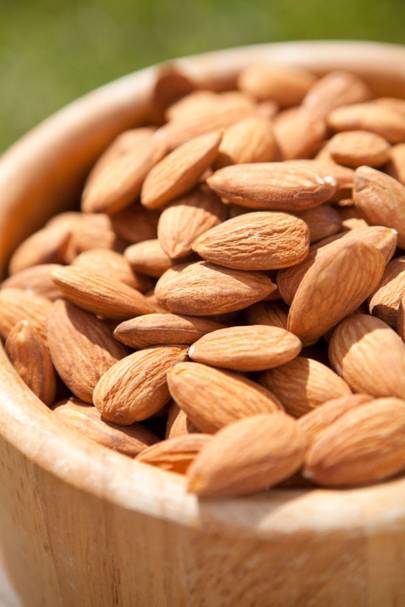
Deficiencies in minerals such as zinc and selenium have been linked to acne in some
sufferers, which is why nuts – in particular pumpkin seeds and Brazil nuts – are a good,
healthy snack to get used to. Selenium helps to actively increase the number of
infection-fighting white blood cells in the body and strengthens their fighting power,
while vitamin E, copper, magnesium, manganese, potassium, calcium and iron are all
essential to skin health and function.
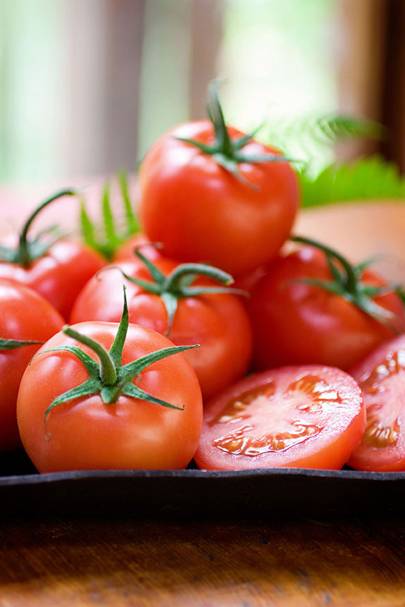
Tomatoes are rich in vitamin C, which helps to keep the skin firm and taut by aiding
collagen production. They also contain lycopene: the red pigment which not only gives
them their bright red colour, but also stimulates skin circulation.
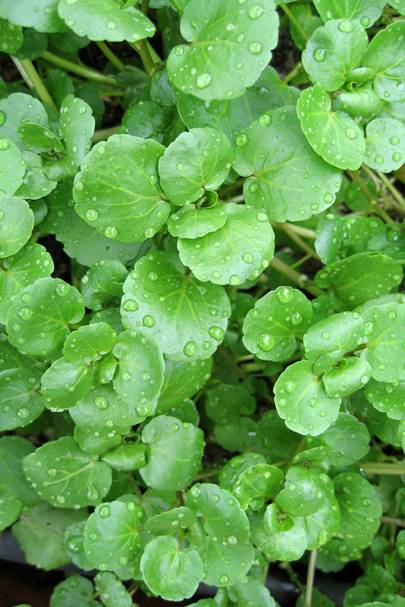
Next time you make a salad, try substituting a few lettuce leaves for some peppery
watercress. The leafy greens are jammed full of antioxidants as well as the minerals
manganese, carotene and potassium. This makes watercress a powerful cleansing
agent, nourishing the skin while helping to flush out toxins and excess fluids in the
process. Bonus!

Clear skin starts from within, and one of the best, cheapest and most effective ways to get
there is to help your body flush out toxins by drinking plenty of water. Not only will upping
your fluid levels help to keep your brains fully functional and therefore better able to cope
with stress, but it also replenishes water in the cells. Make sure you drink the
recommended eight glasses of water a day, and drink more after exercise.
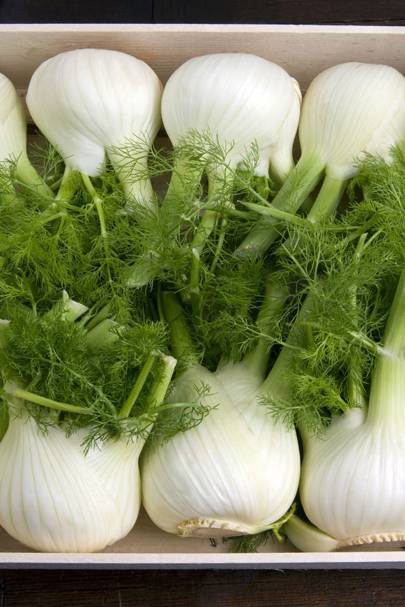
If you’re not familiar with this liquorice-flavoured root vegetable already – get to know
it. Aside from aiding digestion, reducing swelling in the body and helping to flush out
excess fluids and toxins, it also works wonders for the health of your skin and hair,
so pick up a box of tea or pick up a few roots for roasting.
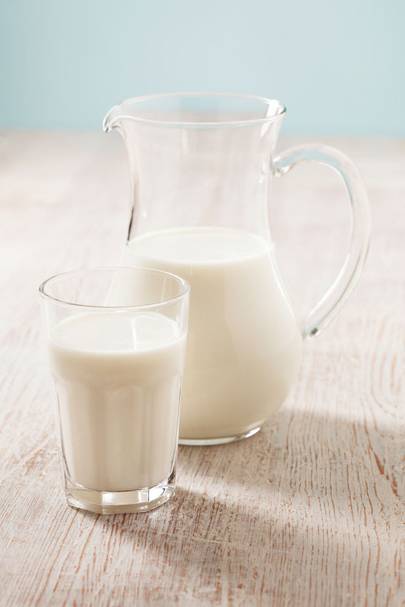
There is some evidence to suggest that removing dairy products from the diet can
ease the symptoms of acne in some sufferers. However, there is little way of telling
whether this will work for you or not unless you try substituting milk for an alternative
and monitoring your progress over time. Oat milk is high in fibre, lactose free and is
particularly high in vitamin E and folic acid, which supports healthy skin and makes it
a great milk alternative. Pick up a carton from your local supermarket to try it out.

It is thought that red grapes – and their seeds – contain powerful natural chemicals
and antioxidants that have been shown to treat inflammatory skin conditions such
as psoriasis and eczema. As a natural antihistamine, grapes can also help to control
the side effects of allergic reactions. Try popping a few washed grapes (with seeds)
into a fresh salad, or enjoy a handful as part of a healthy snack between meals.
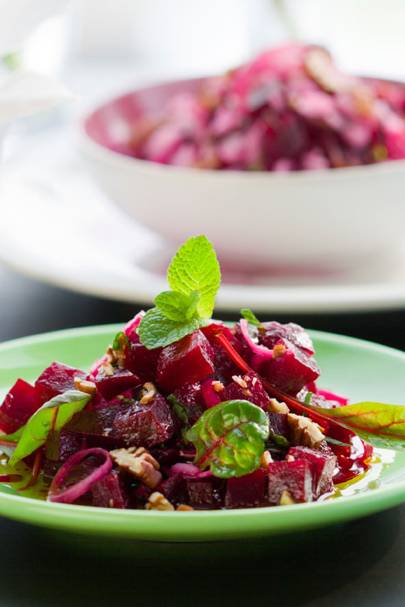
They might stain your fingers, but the skin-clearing properties of beetroots are well
worth the effort. The purple roots are particularly high in vitamin A, as well as potassium,
sodium, calcium, magnesium, and vitamin E, which is essential for epidermal health
and healing. Combined, these nutrients make a powerful all-round body cleanser,
helping to eliminate toxins from the body and lower cholesterol too.
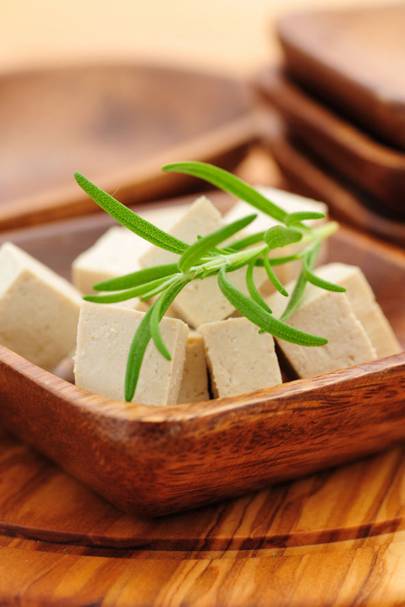
Is there a better way to increase your protein intake than by working tofu into your
diet plan? The soft, omelette-like substance made from soya beans is a good source
of healing vegetable protein, calcium and healthy unsaturated fats – a killer combination for anyone suffering from a skin condition. It is also a rich source of antioxidants,as well as minerals iron, copper and manganese. We love our tofu freshly sprinkledover a salad or cooked into a stir fry. Try adding some of the other ingredients on this list for a super skin-boosting meal.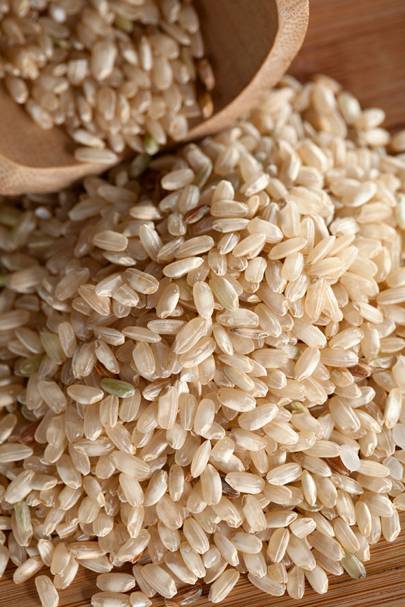
It has been suggested that steady blood sugar levels and skin health could be linked,
so it makes sense to try swapping out processed white carbohydrates for brown,
wholegrain, low glycemic index foods like brown rice. A portion a day not only provides a rich source of B vitamins, protein, selenium and magnesium, as well as several antioxidants, but also helps to regulate your sugar levels by releasing energy slowly throughout the day rather than all at once like processed carbs do.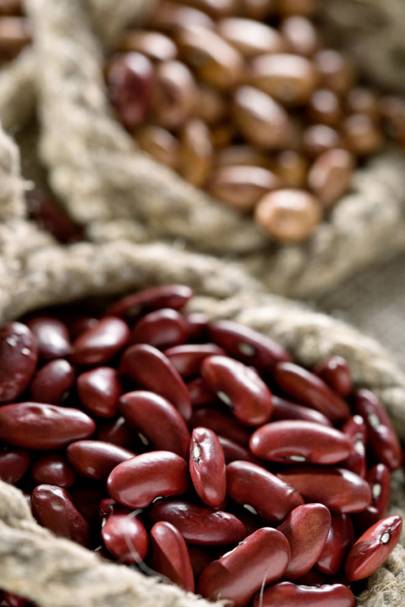
Any healing process needs protein and energy, and legumes – peas, beans, and
lentils – have both these things in abundance. They also contain a potent cocktail
of vitamins and minerals as well as being particularly high in dietary fibre, which aids the body’s natural digestion process and assists detoxification. All these things help in the battle for clearer skin, so try switching your usual portion of carbohydrates for a few spoons of beans and see if it helps.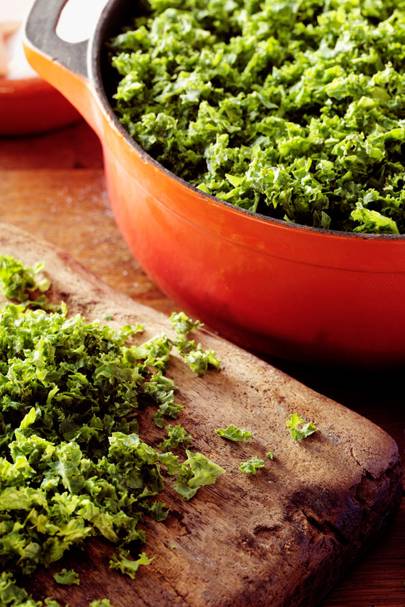
Forget cabbage – kale contains a full range of vitamins A, B complex, C, E and K,
as well as potent levels of manganese, calcium, potassium, iron, magnesium,
protein, folate and phosphorus (phew!). We love adding a handful of kale into a
soup with some of the other ingredients listed here for a real skin-clearing tonic.
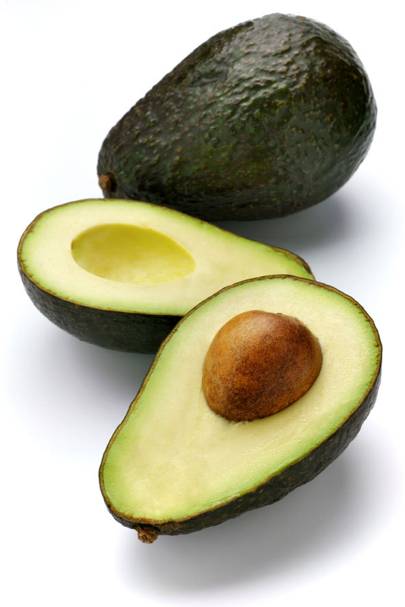
This slippery green fruit is widely known to be a great source of vitamin E, which
boosts the skin’s vitality and luminosity. However, it also possesses good quantities
of vitamin C, which can be used to reduce skin inflammation, while avocado oil is
thought to stimulate the production of collagen in the skin, which improves its tone
and texture. Eating a regular portion of avocado (half a pear will do!) can also improve
the skin’s ability to keep itself moisturised.
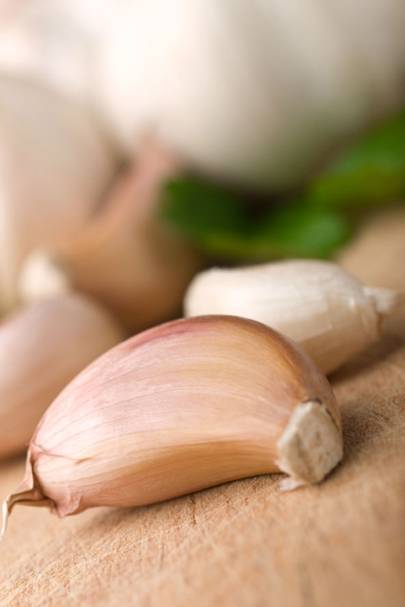
Each clove of garlic is full of a naturally occurring chemical called allicin, which, when
digested, reacts with the blood to create a product capable of killing off many harmful
bacteria and viruses your body might be harbouring – including that which causes
acne and other skin infections. Couple this with a potent cocktail of antioxidants, and
it’s almost unbeatable. To get the most out of garlic, eat raw, chopped finely into a
salad or stirred into a meal before serving.
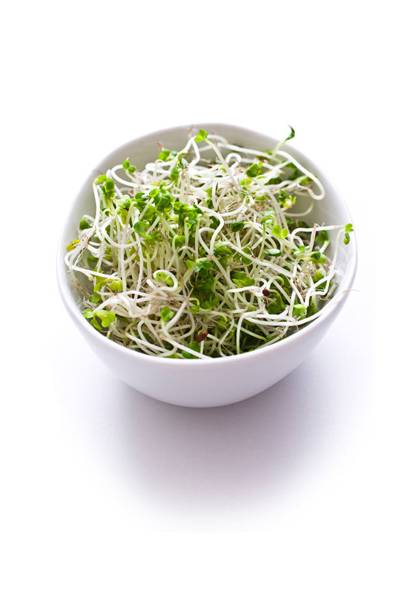
Tiny but mighty, each stringy sprout is packed with valuable, skin-clearing nutrients
such as calcium, folic acid, magnesium, manganese, phosphorus, potassium, silicon,
sodium and zinc among others, as well as supplying a full range of vitamins A, B complex, C, E and K. Who needs multivitamins when you can sprinkle a few of these
on your salad? They’re relatively inexpensive, too, and available from most health
food shops.
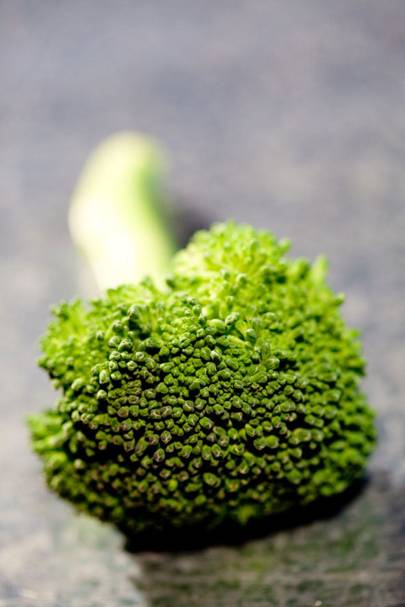
Apart from kale, we struggle to think of a vegetable more worthy of the ‘super’ title
than broccoli. Antioxidants like vitamins A, B complex, C, E, and K all help to add
luminosity to the skin and to revive damaged tissue, while omega 3 fatty acids, calcium
and folate support the healing process and aid the proper function of skin cells. Eat
raw in a salad, or lightly steamed, to get the most out of your florets.

Regular consumption of these woody, fibrous vegetables has been linked to healthier
skin, and in particular, improved skin luminosity. Artichoke is frequently used as an
herbal remedy in creams and cosmetics because of their high antioxidant potency,
but included as part of a healthy diet, can also benefit the body by easing digestion,
lowering cholesterol and aiding the body’s natural immune system defences. Pick
up a couple from your local supermarket, trim back the thorns and boil for around
25-45 minutes.

Especially the yolks, which are full of skin clearing selenium, zinc and protein, as
well as plenty of vitamins.
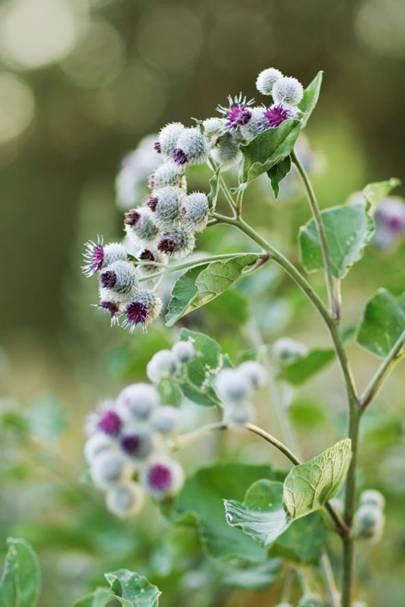
Heralded for centuries as a healing remedy, this herb contains high levels of calcium,
potassium and magnesium, all of which are essential nutrients the body uses to
support healthy skin. It also has strong antibacterial and antifungal properties –
perfect for tackling the spread of acne as well as digestive problems. Burdock can
be eaten as a vegetable, but the easiest way to take it is in tea form. Most good
health food stores should stock it.
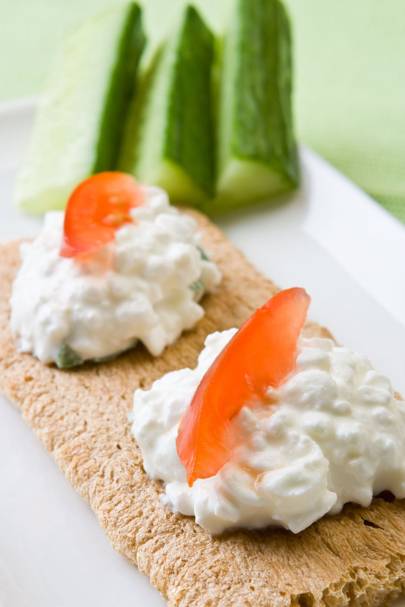
For a high-protein, selenium-packed, skin clearing boost, consider introducing
cottage cheese into your diet. Try adding a few spoons to a jacket sweet potato
and serving with broccoli and spinach for a seriously skin-nourishing meal.
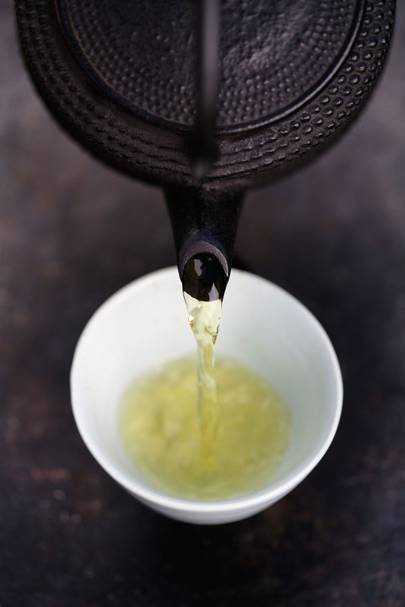
Drinking anti-oxidant polyphenol-rich green tea will improve your skin and boost
your beauty.
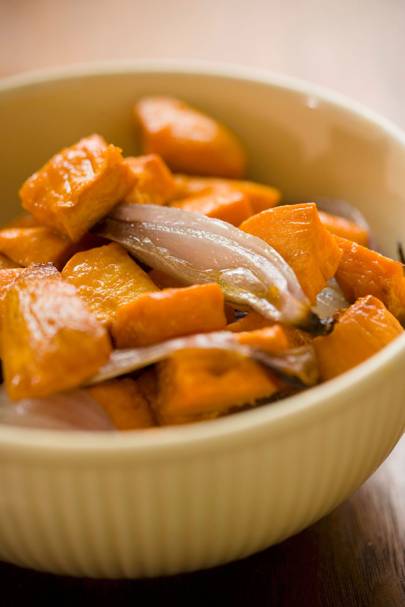
There is evidence to suggest that high cortisone levels, one of the main hormones
released by the adrenal gland in response to stress, can lead to break-outs. Regulating
fluctuating blood sugar levels can help us to combat stress by lifting our moods.
Try eating vitamin-packed complex carbohydrates, which release sugar slowly over time,
like sweet potato. The root vegetable also contains beta-carotene, which converts to
vitamin A when it is digested, and can help to improve the circulation of oxygen to the skin.
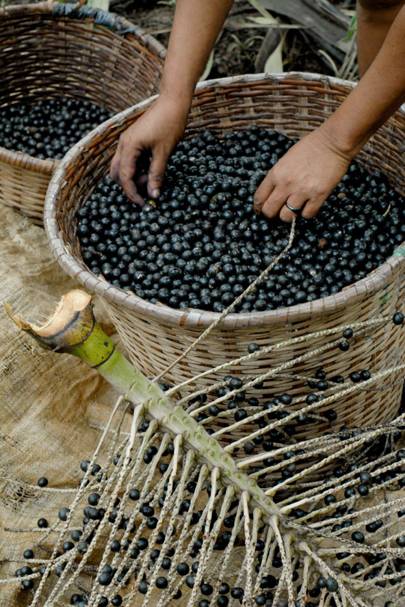
These tiny purple fruits are one of the most potent forms of antioxidants in the world,
and as such, are fabulous for skin health, as they help to eliminate toxins and free
radicals in the body. If you can’t get hold of them fresh, most health food shops tell
concentrated juices and tablets – just be sure to go for natural products free from
additives and artificial sugars.
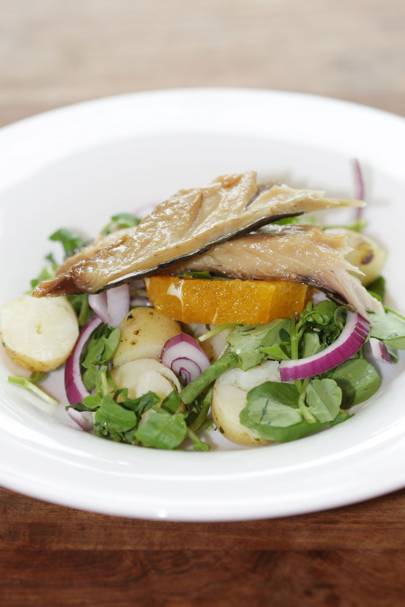
If you want a glowing, radiant complexion and spot-free skin, increase your intake
of oily fish, like mackerel. Each fillet is loaded with eicosapentaenoic acid (EPA) and docosahexaenoic acid (DHA), both of which combat acne inflammation, as does…
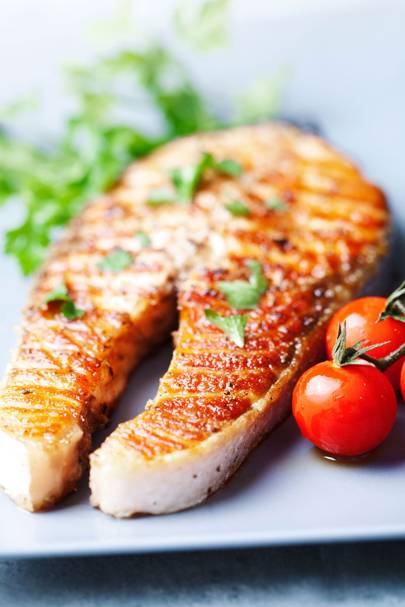
… Salmon and other cold water fish. Also, the high protein it contains can help to
speed up the skin’s natural healing process.

Oysters are packed with skin clearing nutrients for relatively few calories. Expect to
find everything from vitamin A to zinc and selenium in these bite-sized sea-dwelling
beauty bombs.
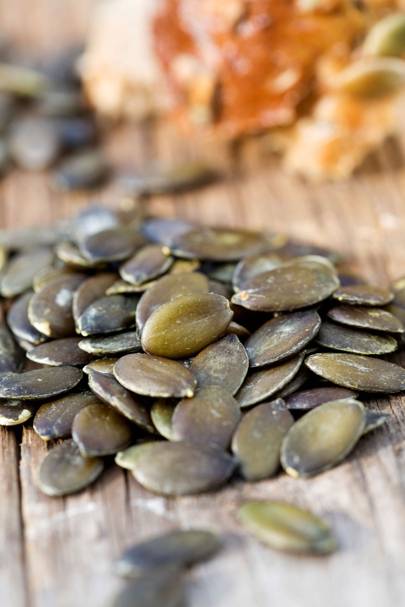
Not keen on seafood? Try sprinkling a handful of pumpkin seeds over your salad
instead. Each kernel is high in vitamin E, zinc and omega 3 & 6 fatty acids, making
them a good veggie skin clearing substitute.


0 comments:
Post a Comment